The Vice-Consul
Author: Marguerite Duras
Rating: ⭐️⭐️
The Vice-Consul unfolds in the dense and humid world of colonial India, where fragments of several lives overlap without fully touching. At the centre stands the disgraced French vice-consul in Lahore, a man burdened by an unforgivable outburst of violence that has left him isolated within diplomatic circles. Around him move Anne-Marie Stretter, an enigmatic figure whose beauty conceals her own quiet tragedy, and a young Cambodian woman who drifts through the landscape in a state of hunger and despair. Their stories intertwine in the salons of Calcutta and along the dusty roads of the countryside, not through action but through echoes of memory and whispered conversations. The novel is less a conventional narrative and more a lyrical meditation on longing, exile and the uneasy relationships between colonial power and human fragility. Its fragmented structure, experimental style, shifting perspectives and emphasis on mood over plot place it firmly within the modernist tradition. It shares characteristics with works that explore interior states, fractured identities and the elusive nature of meaning, rather than relying on conventional narrative progression.
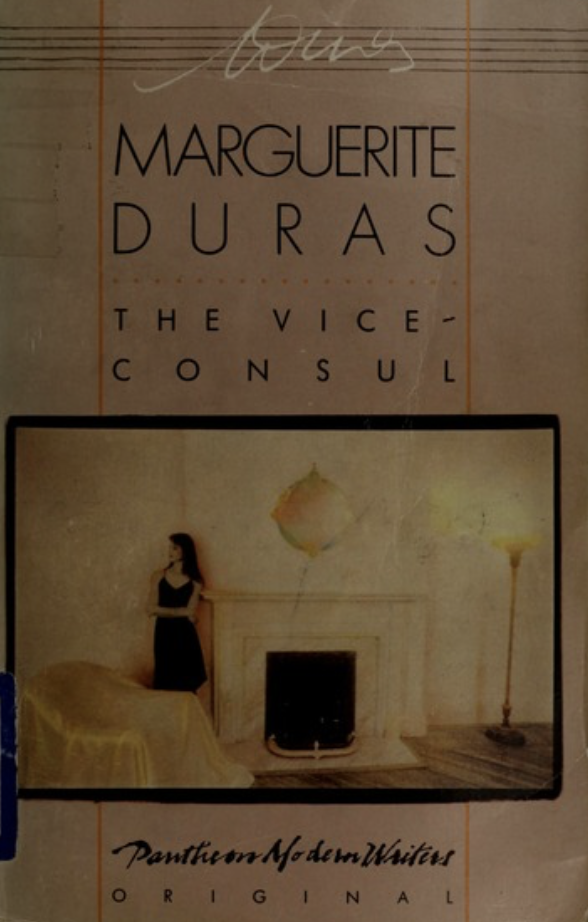
Not often I review books that fall below three stars, yet this work compels me to make an exception because of how persistently it has remained in my thoughts. I found myself wrestling with the text for weeks, perhaps even months, as its style offers a profusion of words without providing the sense of momentum that often carries a reader forward. The language is richly textured, at times hypnotic, but it frequently slips into obscurity, demanding more patience than I expected. Duras constructs her world through fragments of dialogue, half-stated feelings and abrupt shifts of perspective, which creates an atmosphere that is undeniably distinctive but also challenging to navigate. This approach occasionally left me more disoriented than immersed, and I often felt as though I were drifting through a haze rather than following a clear thread of the story.
Yet despite the difficulty of the reading experience, I am ultimately glad to have included this novel on my list, for its difference is precisely what gives it a lingering presence. It refuses the comfort of easy interpretation and instead offers a glimpse into the inner turmoil of characters who exist in the margins of their own lives. The slow rhythm allows space to contemplate themes of loneliness, guilt and the silent distances between people. It is a book that asks the reader to surrender expectations of plot and resolution and instead to dwell in mood and emotional resonance. Although it never truly captivated me, I can appreciate the artistry with which Duras shapes her unsettling world. The novel stands as a reminder that literature can provoke, disturb and challenge rather than simply entertain, and for that reason it holds a curious, if imperfect, place in my reading journey.
